Our in‑house design team will work with you to make sure your artwork looks great on each item you choose. We’ll help guide you through the process techniques used to apply your logo and artwork, explaining each method so you understand how your design will be produced and how it will look on the finished product.
Here you will find all the common printing processes used across promotional items including popular imprint methods such as screen printing, embroidery, pad printing, laser engraving, digital full‑colour printing, heat transfer and more.
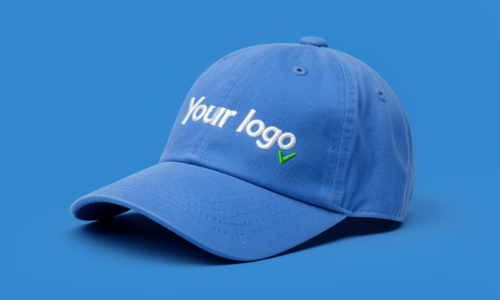
Embroidery uses computerised sewing machines to build up your logo or text through a precise stitching process, creating a textured, high-quality finish that sits proud of the fabric. It’s the go-to method for textile-based products and is particularly well-suited to fleece materials, where it delivers a clean, professional result that holds its shape wash after wash.
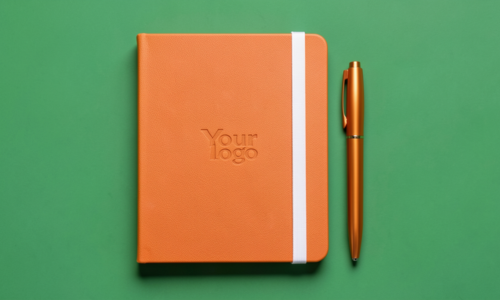
Debossing applies a combination of heat and pressure to leave a permanent, recessed impression of your design into the material. The indentation can be left as a clean, understated finish — known as a blind deboss — or infilled with ink or foil to create a striking metallic effect. It’s an elegant choice for diaries, conference folders, and notebooks, lending a premium, tactile quality to your branded items.
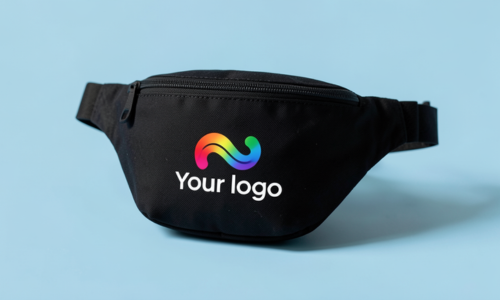
Digital Transfer — also known as Supacolour — uses heat to permanently apply your design to a product, creating a vivid, full-colour result that captures even the finest details of your artwork, including gradients, fine lines, and high-resolution imagery. Once applied, the print is heat-sealed for a lasting finish. It’s an incredibly versatile method suitable for almost any product, from mugs and bottles to clothing and bags.

Embossing uses a metal press to push your design upwards, creating a raised, three-dimensional impression that adds depth and texture to your branding. It’s most commonly applied to soft PU-style materials and leather, making it a popular choice for notebooks, wristbands, and bags. Like debossing, it can be left as a clean blind emboss or enhanced with ink to make the design stand out further.

Pad printing — sometimes referred to as tampo printing — transfers your design onto the product using a flexible silicone or rubber pad. What makes this method particularly useful is its ability to print onto curved and irregular surfaces, such as pens, cups, and highlighters, where flat printing methods simply can’t reach. It’s one of the most cost-effective and versatile print processes available, making it a popular choice across a wide range of promotional products.

Laser engraving uses a focused laser to permanently etch your design directly into the surface of the material, removing a fine layer to reveal a crisp, detailed mark beneath. It requires no inks or dyes, making it one of the most durable imprint methods available — your branding simply won’t fade, peel, or wear away over time. Ideal for metal, wood, and glass items where longevity is a priority.

Rotary digital printing is a full-colour print method designed specifically for cylindrical items such as drinks bottles and mugs. It wraps your design seamlessly around the product, delivering vibrant, detailed results — even where logos feature gradient colours or need to cover a large surface area. One thing to note: items printed using this method are recommended for hand-washing only, to preserve the quality of the print.
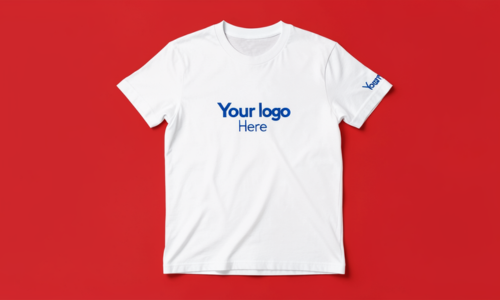
Screen printing — also known as silkscreen printing — forces ink through a precisely made mesh screen to produce a bold, durable printed design. It’s best suited to solid colours, as it isn’t compatible with gradients, but it excels on large print areas where impact and longevity matter. It’s a low-cost, hard-wearing method commonly used on bags, clothing, hoodies, and conference folders.

Sublimation printing transfers your design onto a special sheet of paper before applying heat to fuse the ink directly into the fabric or material at a molecular level. The result is a seamless, edge-to-edge print with no borders or white margins. It’s predominantly used on smaller items requiring full-colour designs — such as lanyards, caps, stubby coolers, sports jerseys, and polos. Please note that sublimation requires a white base material, so all products will feature a white underside.

Etching is achieved by applying an acid cream or diluted chemical solution to the surface of glass, which reacts with the material to leave a beautifully frosted, permanent finish. It’s a sophisticated and timeless method that adds a refined, artisan quality to glassware and other glass products.

Doming involves applying a sticky, crystal-clear resin over a printed design, creating a smooth, domed surface that gives your branding a polished, three-dimensional appearance. The resin coating is extremely resistant to scratches and fading, making it a highly durable option. It can be used on any flat surface, including keyrings, USB drives, and badges.

Foil blocking uses a heated die to press a thin layer of metallic foil onto the surface of your product, creating a bold, eye-catching finish. Most commonly produced in gold or silver, foil blocking is synonymous with luxury and is the perfect choice when you want your branding to make a truly elegant statement — ideal for notebooks, packaging, and premium stationery.
Digital printing uses the CMYK colour process to reproduce sharp, detailed images directly from print machines, without the need for screens or plates. It’s particularly well-suited to shorter print runs where quality and accuracy are essential, making it an ideal solution for paper inserts, leaflets, and other low-quantity printed products.

 Help & Contact
