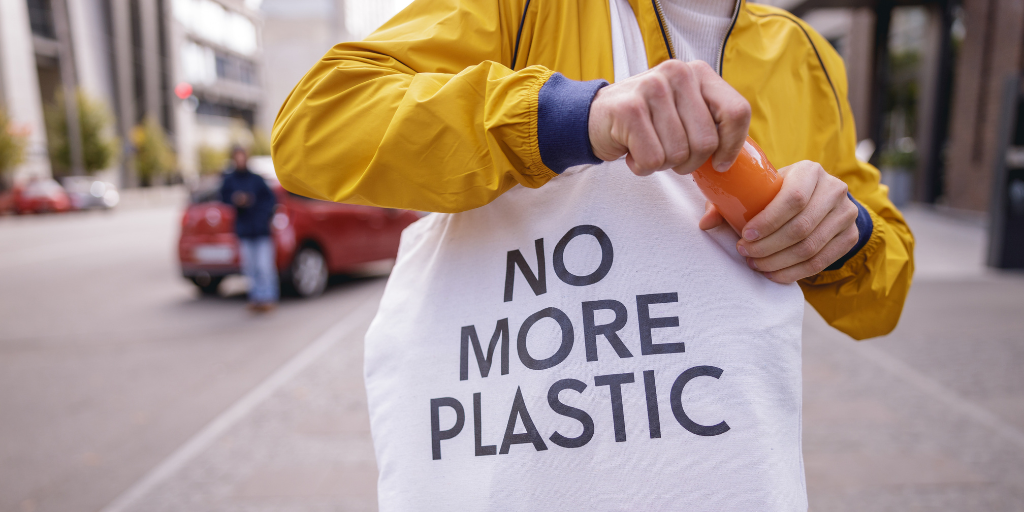
Recycling is essential — but many everyday items people put in recycling bins can’t actually be recycled. Putting the wrong items in can contaminate entire batches, meaning everything may end up in landfill instead.
Here are 7 common non-recyclable items that often surprise people
Cardboard is recyclable — but not when it’s covered in grease or food. Contamination stops fibres from being reused.
This material is difficult and expensive to process, so most recycling centres won’t accept it.
Takeaway cups contain plastic linings that make them waterproof — and hard to recycle through standard systems.
These are made from mixed materials (paper, plastic, foil), making them difficult to separate and recycle.
Soft plastics like carrier bags and wrapping can clog recycling machines and are rarely accepted in kerbside collections.
These are often contaminated with food or liquids, and the fibres are too weak to be reused again.
Items like mugs, plates, and drinking glasses can’t be recycled with normal glass because they melt at different temperatures.
Even a small number of incorrect items can cause entire loads to be rejected.
One of the easiest ways to reduce non-recyclable waste is to replace single-use items with reusable alternatives:
Explore the Total Branded eco-friendly range and reduce waste in your business today.
Many everyday items like coffee cups, pizza boxes, and plastic bags can’t be recycled. Using reusable alternatives helps reduce waste and improve sustainability.

 Help & Contact