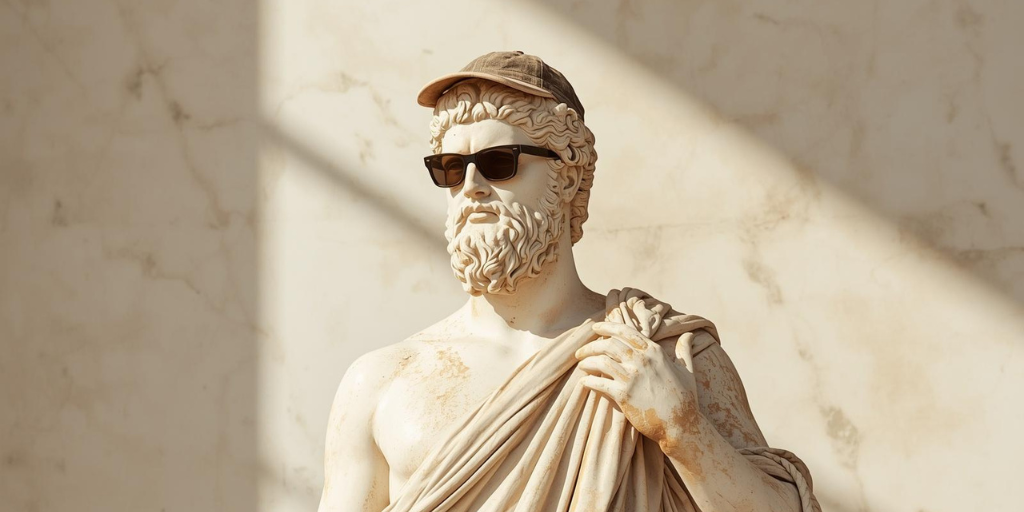
Promotional products (also called branded merchandise, giveaways, or advertising specialties) have been used for centuries to spread ideas, build loyalty, and keep a name top of mind. While the modern promo industry took shape in the late 1800s, the core concept is much older: give someone a useful object and they will remember who it came from.
This guide walks through the key moments in the history of promotional products, with examples and context you can use to understand how branded merchandise became a staple of marketing.
What counts as a promotional product?
A promotional product is a physical item branded with a company, organisation, or campaign message and distributed to an audience to influence awareness, preference, or behaviour. The most effective items share three traits:
Long before modern advertising, leaders and merchants used objects to communicate identity and status.
Ancient coins and tokens: Rulers used coins bearing names and symbols to spread recognition across regions.
Political and commemorative items: Archaeological and historical records show that commemorative objects were used to mark events and reinforce allegiance.
These weren’t “promotional products” in the modern sense, but they demonstrate the same mechanism: a tangible item can carry a message further than a conversation can.
One of the most-cited early examples in the United States is George Washington campaign memorabilia (such as commemorative buttons) used around the 1789 election period. Campaign items helped supporters show affiliation publicly, turning everyday objects into mobile messaging.
Most histories of the promotional products industry point to the late 19th century as the moment the category became a structured business.
In the 1880s, businesses began distributing branded items at scale, especially:
These were practical items people kept in homes and workplaces, giving brands long-term visibility.
A widely referenced milestone is the first documented order of printed advertising pens in 1886, often credited to Jasper Meek, who used branded items to help local businesses stay visible.
As manufacturing scaled, promotional products became more varied and more affordable.
This era helped shift promo from a novelty to a repeatable marketing channel.
By the mid-20th century, branded merchandise was widely used across industries.
Key drivers included:
During this period, the industry also professionalised through trade associations and standardised distribution models.
As global supply chains matured, promotional products became:
At the same time, brands became more protective of their identity. Style guides, Pantone matching, and consistent logo usage turned promo into a more strategic extension of brand design.
In the 2010s, promotional products shifted from purely functional giveaways to brand-building merchandise people actually want to wear and post.
Examples include:
Social media amplified the value of a great item: one well-designed product could generate photos, tags, and word-of-mouth at scale.
Modern promotional products are shaped by three big forces:
1) Sustainability expectations
Buyers increasingly look for:
2) Compliance and product safety
From food-contact items to children’s products, compliance matters more than ever. Many organisations now require documentation, testing, and supplier transparency.
3) Personalisation and data-driven distribution
Technology has made it easier to:
The result is a shift from “hand out as many as possible” to “give the right item to the right person at the right moment.”
Understanding the history of promotional products helps you make better choices today:
Encyclopaedia Britannica: https://www.britannica.com/topic/advertising
Smithsonian National Museum of American History: https://americanhistory.si.edu
Advertising Specialty Institute: https://www.asicentral.com
Promotional Products Association International: https://www.ppai.org

 Help & Contact