Advertising is simply communication with intent: a message designed to inform, persuade, or remind.
Today that message can appear anywhere, from social media and podcasts to billboards and branded promotional products. But advertising did not start online. It started with people trying to be found.
Advertising goes back thousands of years. Early examples include:
Long before mass literacy, businesses used visuals to communicate. Archaeological finds show commercial messages and political campaign displays in places like Pompeii.
In Egypt, papyrus was used to create written sales messages. In Greece and Rome, public notices were common, including announcements for goods and services.
In ancient China, advertising included music and song used by sellers to attract attention.
One of the most famous early examples of printed advertising comes from the Song dynasty: a copper printing plate used to print a square poster featuring a rabbit logo for a needle shop.
As European towns grew, many people could not read. So shops used visual signboards instead of written signs.
A cobbler might display a boot. A tailor might display a suit. These symbols helped customers find what they needed quickly.
Street advertising also mattered. Market sellers used town criers to announce where goods could be found.
A well-known collection of these calls appears in Les Crieries de Paris, a 13th-century poem by Guillaume de la Villeneuve.
In the 18th century, advertisements began appearing in weekly newspapers in England.
Early print ads often promoted:
As print advertising grew, so did the problem of misleading claims. This helped push the development of advertising standards and regulation.
Advertising has changed massively, but the goal is familiar: get attention, build trust, and stay memorable.
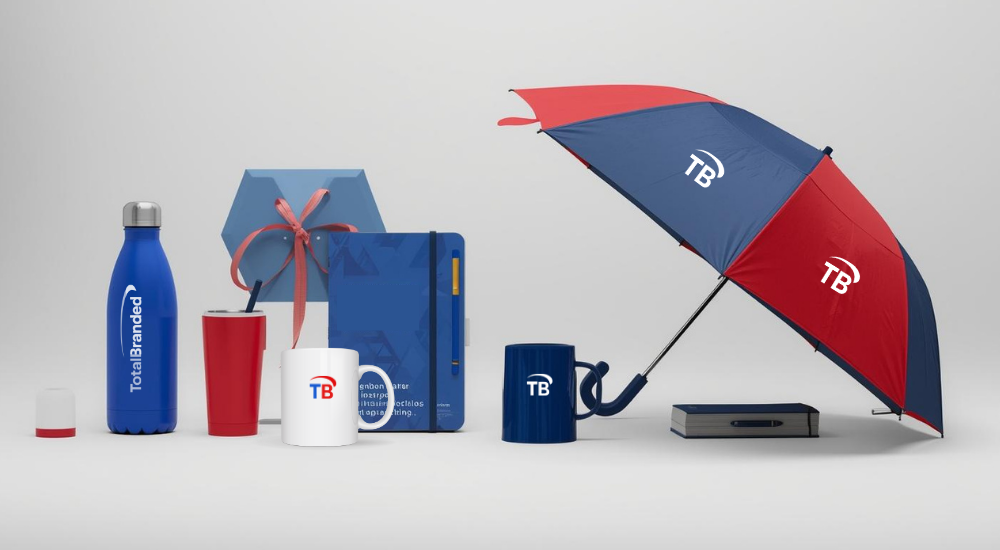
That is why branded merchandise still works. A useful item keeps your brand visible long after the first interaction.
Promotional products are a modern version of an old idea: make your message tangible.
A branded item can:
The best promotional products do not feel like ads. They feel like tools people choose to keep.
Want to use branded merchandise as part of your modern advertising strategy? Total Branded can help you choose promotional products that match your audience and your goals, from events to onboarding and customer retention.

 Help & Contact